Enjoy your time in Mongolia
Discover the Beauty of Our Magnificent Country
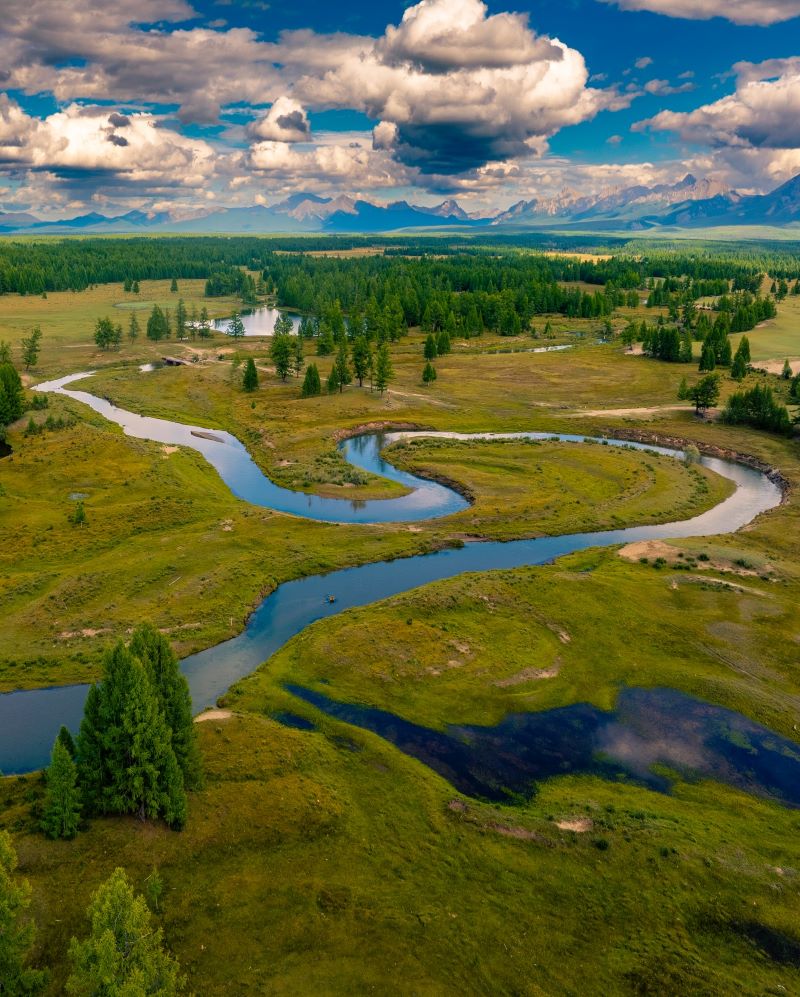
Warmly welcome to our beautiful country, Mongolia.
>Mongolia is a land made for travelers — a destination of vast open spaces, ancient traditions, and breathtaking natural beauty.
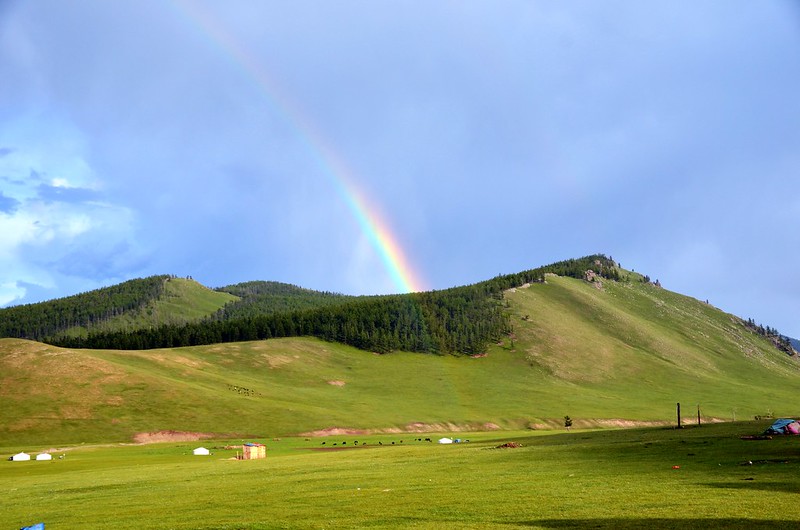
Mongolia is one of the most sparsely populated countries in the world, characterized by endless steppes and dramatic landscapes. The Gobi Desert captivates visitors with its towering sand dunes, rare wildlife, and unique desert scenery.
Many Mongolians still live a traditional nomadic lifestyle in gers (yurts), following the way of life of their ancestors. Horses play a central role in everyday life and culture. Mongolia is the homeland of Genghis Khan, the legendary conqueror and national hero, and proudly celebrates its traditions during the Naadam Festival, featuring wrestling, horse racing, and archery.
Mongolians are renowned worldwide for their warm hospitality. At night, the clear skies offer exceptional opportunities for stargazing. The landscapes shift from vast steppes to high mountains and deep valleys, while yaks, camels, and cattle remain essential livestock for daily life.
Many people continue to live in harmony with nature and the rhythm of the seasons. Traditional music, especially the Morin Khuur (horsehead fiddle), reflects the deep cultural heritage of the country. Mongolia is rich in rivers and lakes, such as the Selenge River and Lake Khövsgöl, often called the “Blue Eye of Mongolia.”
The country is also rich in minerals and natural resources, making it economically significant. Mongolian cuisine is based mainly on fresh meat, dairy products, and grains. Winters can be extremely cold, with temperatures far below zero. The Mongolian language belongs to the Altaic language family and has a long written tradition.
For travelers, Mongolia offers untouched nature, vast landscapes, exciting adventures, and deep insights into centuries-old history and a vibrant living culture.
A journey to Mongolia is an immersion into a unique world of nature, tradition, and lifestyle — leaving unforgettable memories.
Food and Drink with a Nomadic Family and in Large Restaurants in Mongolia
Eating with a Nomadic Family
Food with a Mongolian nomadic family is simple, traditional, and strongly shaped by hospitality. Guests are warmly welcomed and immediately invited to eat and drink. Meals are usually shared together inside a ger (a yurt-like tent). The food mainly consists of homemade products such as meat, milk, yogurt, cheese, and milk tea.
Typical dishes include boiled meat, dumplings, or dried dairy products. Food is often eaten from shared bowls, which strengthens family bonds. There are no strict table manners, but respect for the hosts and for the food is very important. Eating with nomads is calm, personal, and deeply rooted in tradition.
Eating in a Large Restaurant
In large restaurants, especially in cities, food is more modern and diverse. In addition to traditional Mongolian dishes, international cuisine is also offered. Guests sit at tables, order from a menu, and are served by staff.
Dining in restaurants is more formal than eating with a nomadic family. The atmosphere is often lively, especially during large celebrations or tourist events. Hygiene, food presentation, and variety play a bigger role. Nevertheless, traditional dishes and drinks are still valued and preserved.
Differences
While eating with a nomadic family reflects community, simplicity, and tradition, dining in restaurants focuses on comfort, choice, and modern food culture. Both forms represent different aspects of Mongolian culinary culture and are an important part of social life.
Special Features
The pasturelands of Mongolia are largely untouched and rich in natural, medicinal plants. Since Mongolian livestock graze freely in this pristine environment, they feed on a wide variety of grasses and herbs. For this reason, Mongolian meat and dairy products are considered especially natural, pure, and of high quality. They carry the pure taste of nature and are an essential part of traditional Mongolian nutrition.
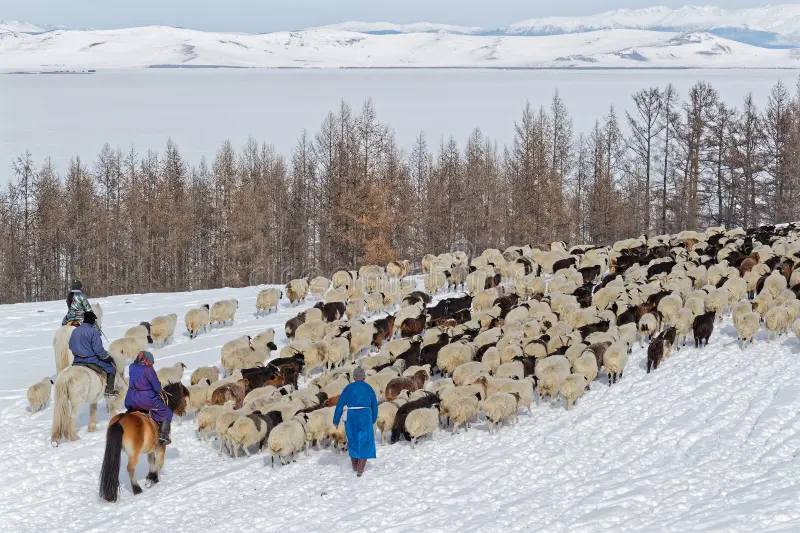
Mongolia has approximately 70–80 million livestock animals. Depending on the geographical region, different types of animals are raised. In the mountain and forest-steppe regions (Khangai), yaks, horses, sheep, and goats are mainly kept. In the desert and semi-desert regions of the Gobi, camels are best adapted to the natural conditions. In the steppe regions, horses, cattle, sheep, and goats are predominantly raised. Thus, animal husbandry is strongly adapted to the natural conditions of each landscape.
Dining Experience: Nomadic Families vs. Fine Dining Restaurants in Mongolia
Dining with a Nomadic Family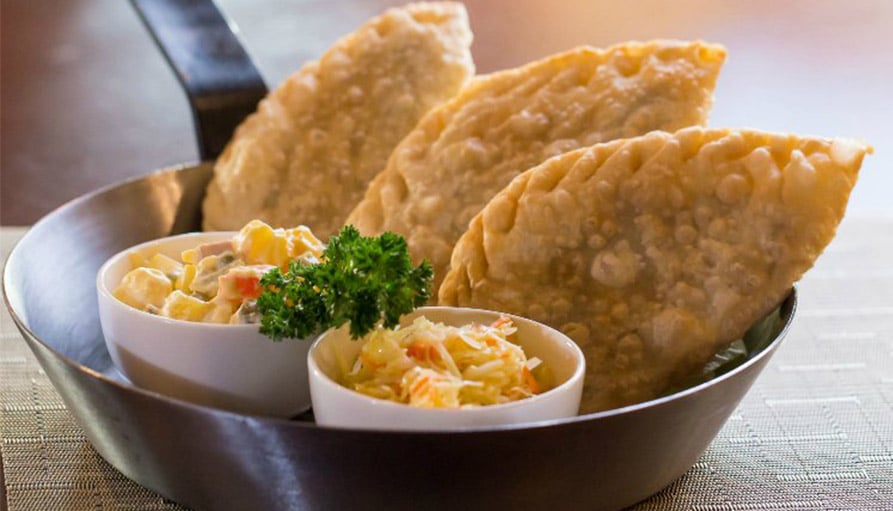 Eating with a Mongolian nomadic family is a simple, traditional experience deeply rooted in hospitality. Guests are warmly welcomed and immediately offered food and drink. Meals are typically shared inside the Ger (a traditional felt dwelling). The food mostly consists of home-made products such as meat, milk, yogurt, cheese, and Mongolian milk tea.
Typical dishes include boiled meat, dumplings (Buuz or Khuushuur), and dried dairy products (Aaruul). Meals are often shared from communal bowls, which strengthens the sense of family and community. While there are no rigid formal table manners, showing respect to the hosts and the food is highly valued. Dining with nomads is a peaceful, personal experience guided by centuries-old traditions.
Dining in Large Restaurants
In large restaurants, especially in urban areas, the dining experience is more modern and diverse. In addition to traditional Mongolian cuisine, international dishes are widely available. Guests sit at tables, order from a menu, and are served by professional staff.
Restaurant dining is more formal compared to the nomadic setting. The atmosphere is often vibrant, particularly during large celebrations or tourist events. Hygiene, food presentation, and variety play a much larger role here. Nevertheless, traditional dishes and drinks remain highly respected and are a core part of the menu.
Key Differences
While dining with a nomadic family reflects community, simplicity, and tradition, restaurant dining focuses on comfort, variety, and modern food culture. Both experiences showcase different but equally important sides of Mongolian culture and social life.
Unique Qualities of Mongolian Products
Mongolia’s pasturelands are largely untouched and rich in natural, medicinal plants. Since Mongolian livestock grazes freely in this pristine environment, they feed on a wide variety of wild grasses and herbs. For this reason, Mongolian meat and dairy products are considered exceptionally natural, organic, and of high quality. They carry the pure taste of nature and are a vital part of the traditional Mongolian diet.
Livestock Distribution by Region
Mongolia is home to approximately 70–80 million head of livestock. The types of animals raised vary depending on the geographical region: Mountain and Forest-Steppe (Khangai): Primarily home to yaks, horses, sheep, and goats. Desert and Semi-Desert (Gobi): Camels are the most prominent here, as they are perfectly adapted to the harsh conditions. Steppe Regions: These vast plains are mainly used for breeding horses, cattle, sheep, and goats. Animal husbandry is thus closely aligned with the natural conditions and landscape of each specific region.
Information about the Weather
The climate of Mongolia is strongly continental and is considered one of the most extreme in the world. The country experiences very large temperature differences between summer and winter as well as between day and night. Winters are long, dry, and extremely cold. From November to March, temperatures can drop below −30 °C, and in some regions even much lower.
Summers are short but often warm to hot. From June to August, daytime temperatures frequently reach 25–35 °C, especially in the steppe regions and the Gobi Desert. However, nights can become noticeably cooler even in summer.
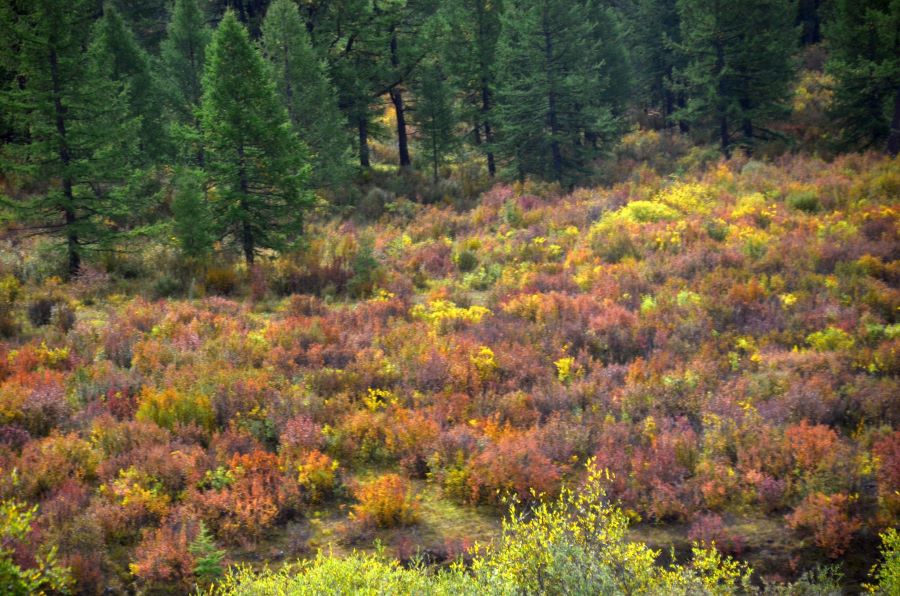
Most of the precipitation falls during the summer months, usually in the form of short but sometimes heavy rain showers. Spring is often windy and dry, and dust and sand storms may occur. Autumn is considered one of the best times to travel, with clear skies, pleasant temperatures, and colorful landscapes.
Due to these climatic conditions, it is important for travelers to Mongolia to pack both warm and light clothing and to be prepared for sudden weather changes.
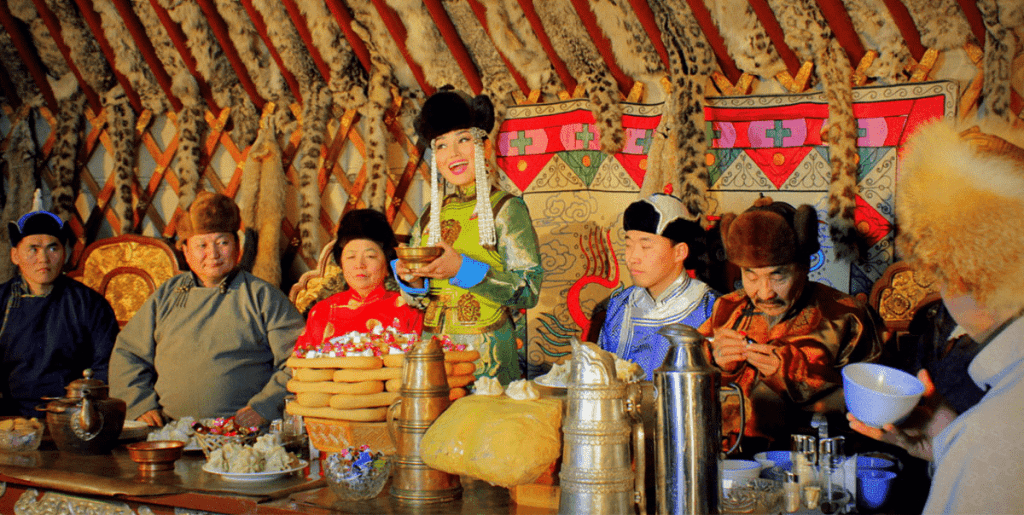
Tsagaan Sar – Mongolian Lunar New Year
Tsagaan Sar, the Mongolian Lunar New Year, is one of the most important and traditional festivals in Mongolia. It symbolizes a new beginning, purity, and respect for family, nature, and older generations.
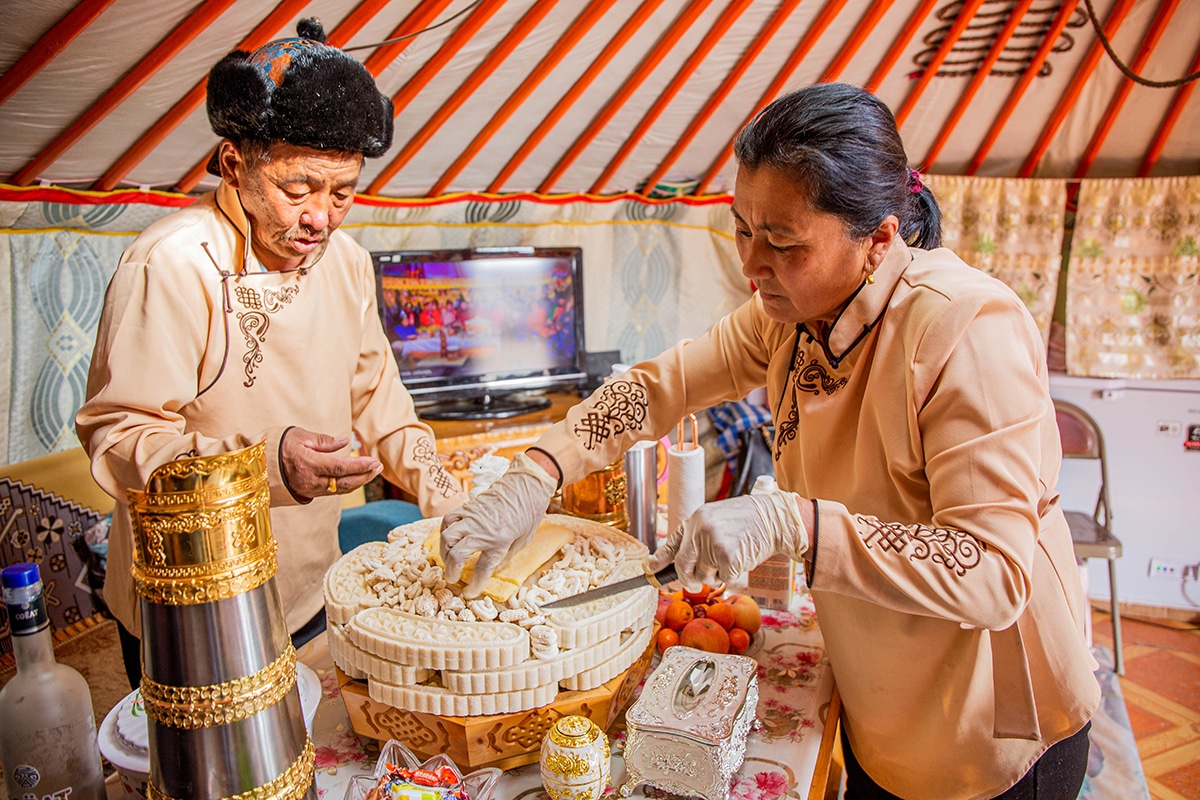
During Tsagaan Sar, families visit their relatives, wear traditional dels, prepare festive foods such as buuz, dairy products, and milk tea, and exchange blessings and good wishes. A particularly important custom is the respectful greeting between younger and older family members, which reflects strong family bonds.
For travelers, Tsagaan Sar offers a unique opportunity to experience authentic Mongolian culture, centuries-old traditions, and genuine hospitality up close.
Quick Facts
- Location: Central Asia
- Capital: Ulaanbaatar
- Population: Approx. 3 million
- Language: Mongolian
- Currency: Mongolian Tögrög (MNT)
- Time Zone: GMT +8
Nature & Adventure
- Gobi Desert – Sand dunes, camels, and desert adventures
- Altai & Khangai Mountains – Hiking and horseback riding
- Lake Khövsgöl – The “Blue Pearl of Mongolia”
- Horseback riding and camel trekking
- Overnight stays with nomadic families
Naadam Festival – Experience the Mongolian Summer
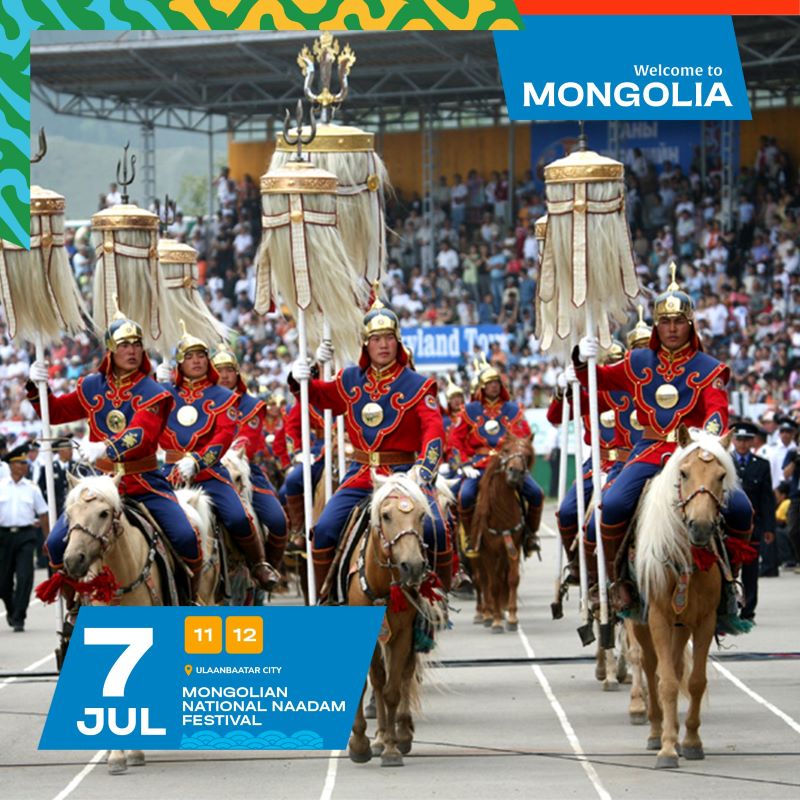
Immerse yourself in Mongolia’s fascinating culture and experience the Naadam Festival, the country’s largest and most important summer celebration. Every July, Mongolia transforms into a vibrant stage filled with tradition, color, and emotion.
Enjoy the legendary “Three Manly Games”:
- Traditional Mongolian wrestling (Bukh)
- Spectacular horse races across the open steppe
- Precision archery
Naadam is more than just a festival — it is an authentic cultural experience. Admire colorful traditional costumes, taste classic Mongolian dishes, and feel the warm hospitality of the nomads. The vast landscapes, the sound of galloping horses, and the festive atmosphere make Naadam an unforgettable experience for travelers from around the world.
Since 2010, the Naadam Festival has been listed as UNESCO Intangible Cultural Heritage.
Discover Mongolia at its most beautiful time of the year — during the Naadam Festival.
Telephone
Dialing to Mongolia is relatively simple although may take several attempts. Mongolia’s National code is +976. Making international telephone call is relatively easy. Most hotels have International Direct Dial facilities.
Currency
Mongolian currency is Tugruk which is available in denominations of 10,20, 50, 100, 1000, 10000 and 20000. All notes carry the face of Chingghis Khaan and Sukhbaatar. The exchange rate is constantly changing.
Most of Mongolia is 8 hours ahead of GMT. However, the three western aimags of Khovd, Uvs and Bayan-Ulgii are GMT+7.