16 Days 15 night
Excursion into the Land of the Tsaatans
Prices from 1500€
The Tsaatans, or Dukhas—better known in Mongolia under the name Uriankhai—are a people with a strong ethnic identity whose ancestry has, throughout the history of Mongolia, mixed with that of other Central Asian peoples. The Dukhas belong to the large family of the Tuvans. In the 6th and 7th centuries, the Tuvans were a dominant people not only in what is now Mongolian territory, but also in China, Russia, and even further west.
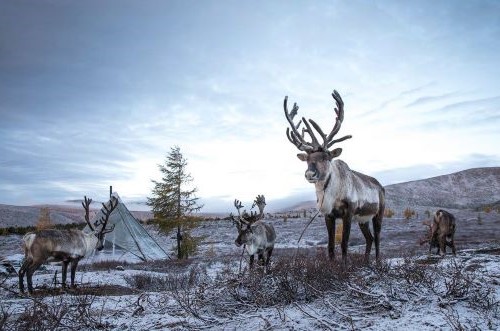
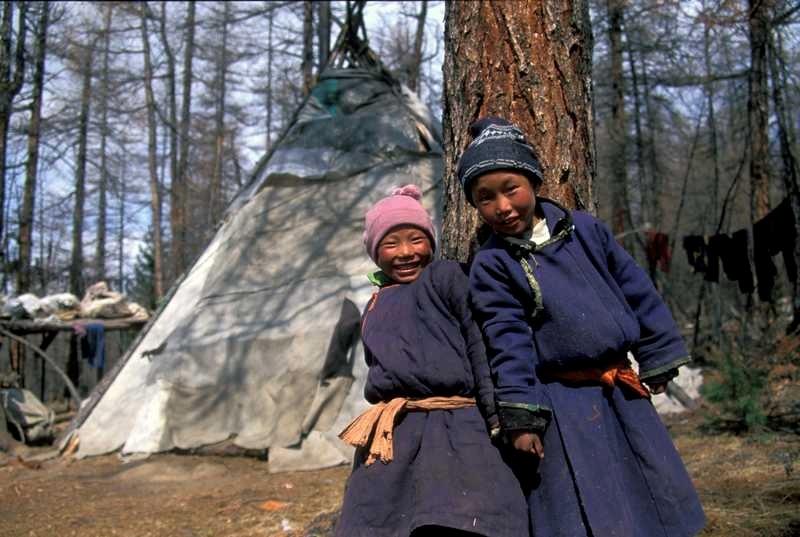
The Dukhas originate from a very proud population that settled far to the northeast and northwest of the country. Their culture and ancestry are mixed with those of the Samoyeds, Evens, Evenks, and Nenets. The Dukhas of Mongolia are commonly called Tsaatans, which literally means “those who live with reindeer” or “reindeer herders.” Tsaa in Mongolian (and Uyghur) refers to a reindeer.
The Tsaatans live far in the north of the country, above the Darkhad Depression, deep in the taiga. There was a time, before Russian domination, when the Tsaatans roamed the taiga of northern Mongolia across the entire Darkhad region—from the northern and western taiga, to the Khoridol Saridag Mountains in the east, all the way to the gateway of the great pass separating the region from the taiga near Murun.
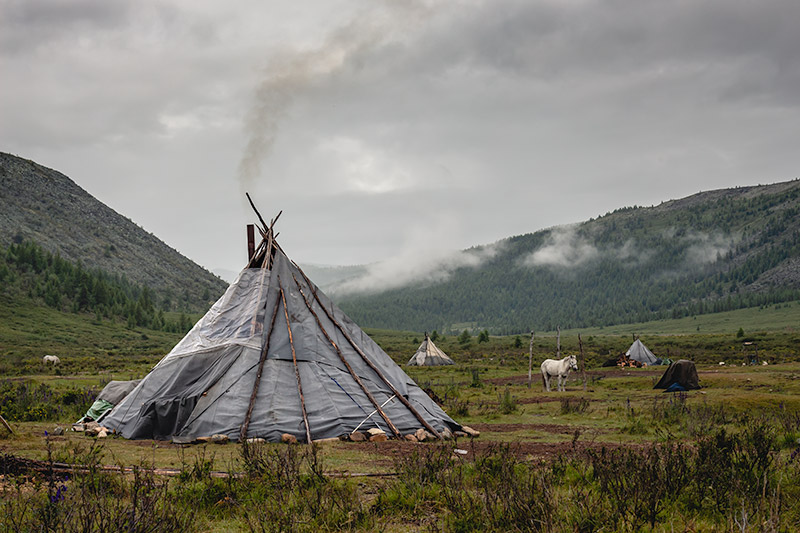
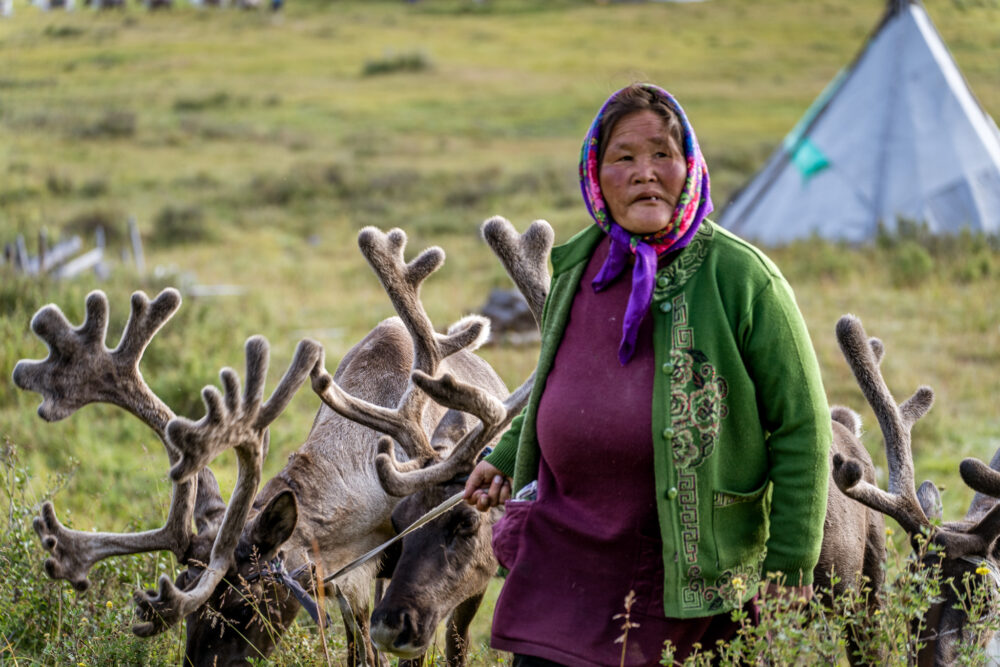
The proud and freedom-loving Tsaatan people are certainly among those who suffered the most under Russian rule, particularly during the era of collective farms and mass persecutions. Today, around 50 families live in the taiga of northern and western Mongolia, in the northern part of Khuvsgul Aimag, along the Mongolian–Russian border. They are divided into two main groups.
They are far removed from the cliché of the “gentle, harmless savages” threatened with extinction. Although the Tsaatan way of life is harsh, it fully corresponds to their traditions and ancestry. They have remained faithful to their taiga, while constantly seeking better pastureland for their reindeer so that the animals can find sufficient food and the necessary cool climate to thrive under optimal conditions.
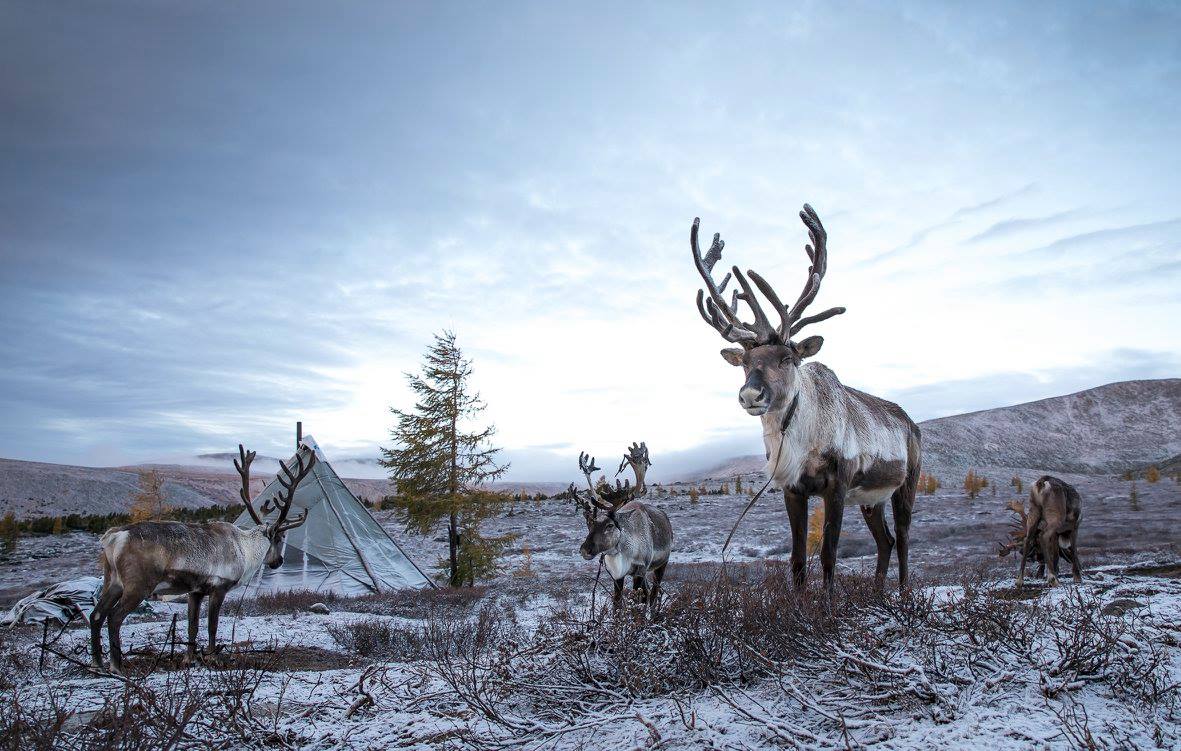
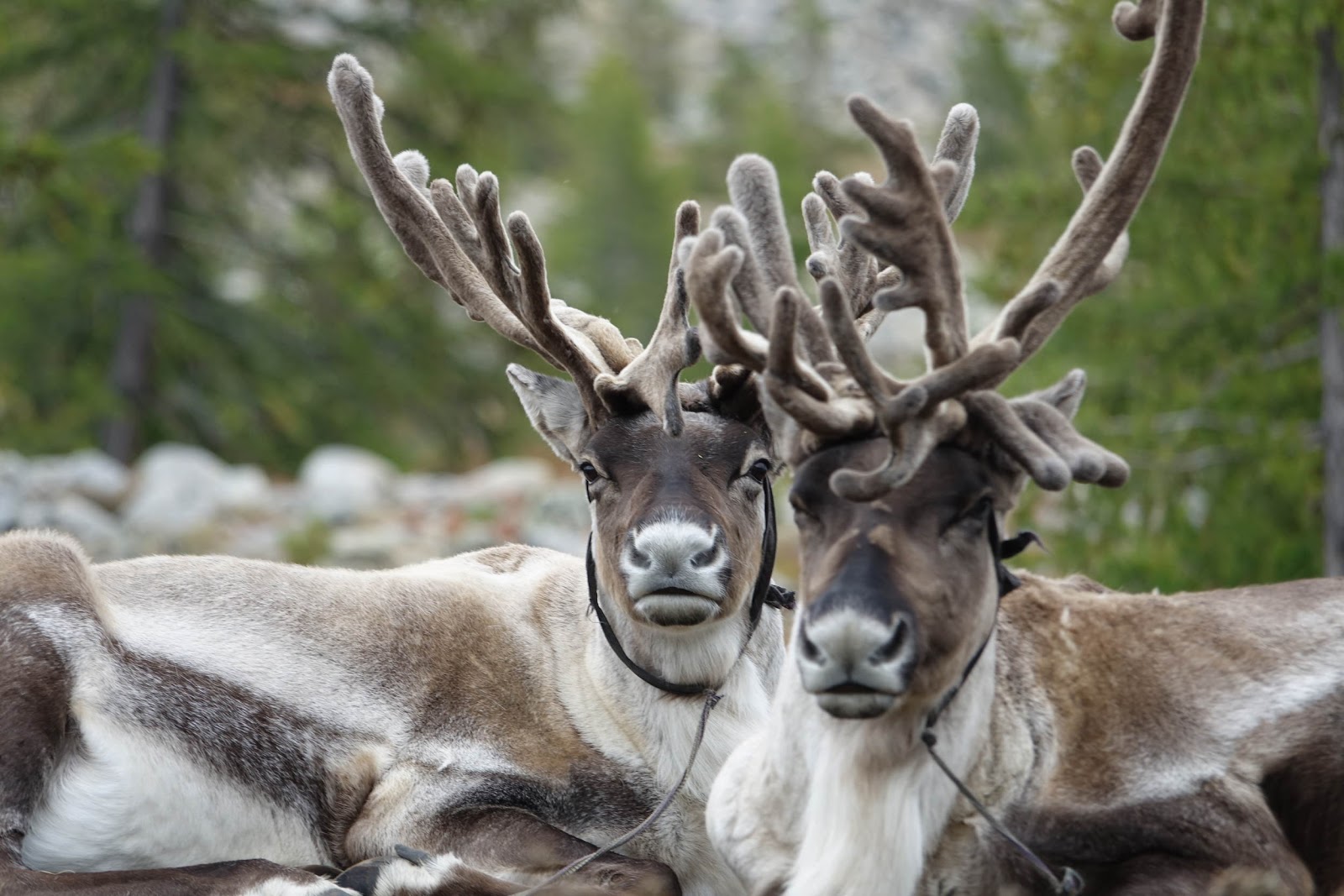
After a very critical period, the reindeer population is once again increasing. Last year, the birth of the 1,000th newborn reindeer was celebrated. The Tsaatan population is now firmly established and will continue to live in the Mongolian taiga for many years to come. On the other side of the border live other ethnic groups such as the Tuvans, Tofalars, Todjas, and Sayans.
Whether one calls it an excursion, a journey, or an introduction, it is difficult to find the right word for this unique stay in the heart of the red Mongolian taiga. One enters the land of the Tsaatans on tiptoe, with the intention of discovering a unique world where humans and nature are so deeply intertwined, where nature is almost more important than people—a world inhabited exclusively by the Tsaatans, living in near-perfect harmony with the elements.
Daily Itinerary
Day 1
Arrival in Ulaanbaatar. Welcome at the airport and hotel check-in. A few hours of free time to recover from the journey, followed by lunch and a city tour. In the late afternoon, enjoy a spectacular show featuring traditional music and dance.
Day 2
Late morning departure to the airport. Domestic flight to Murun, followed by a transfer to Khatgal—approximately a three-hour drive on sometimes rough tracks—and the beginning of a fantastic adventure. Arrival in Khatgal in the late afternoon and accommodation in a ger at the Wind of Mongolia lodge.
Khatgal
Now a quiet village, Khatgal was once an important town and a major transit port for goods from Russia. It lies at the southern tip of Lake Khuvsgul.
Day 3
A long day of driving on unpaved roads, rewarded by unique and breathtaking panoramas through a landscape rich in flora and mineral diversity. About four hours of travel with mountain passes, peaks, and valleys before arriving in Tomiin Brigad, a tiny settlement formed around the only bridge crossing the Beltes River.
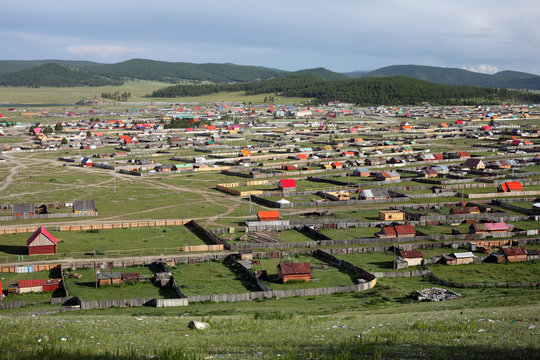
Afterwards, continue for another two hours to Ulaan Uul, literally meaning “Red Mountain.” Before reaching the village, border formalities must be completed, as the customs post lies just a few kilometers away in this border zone.
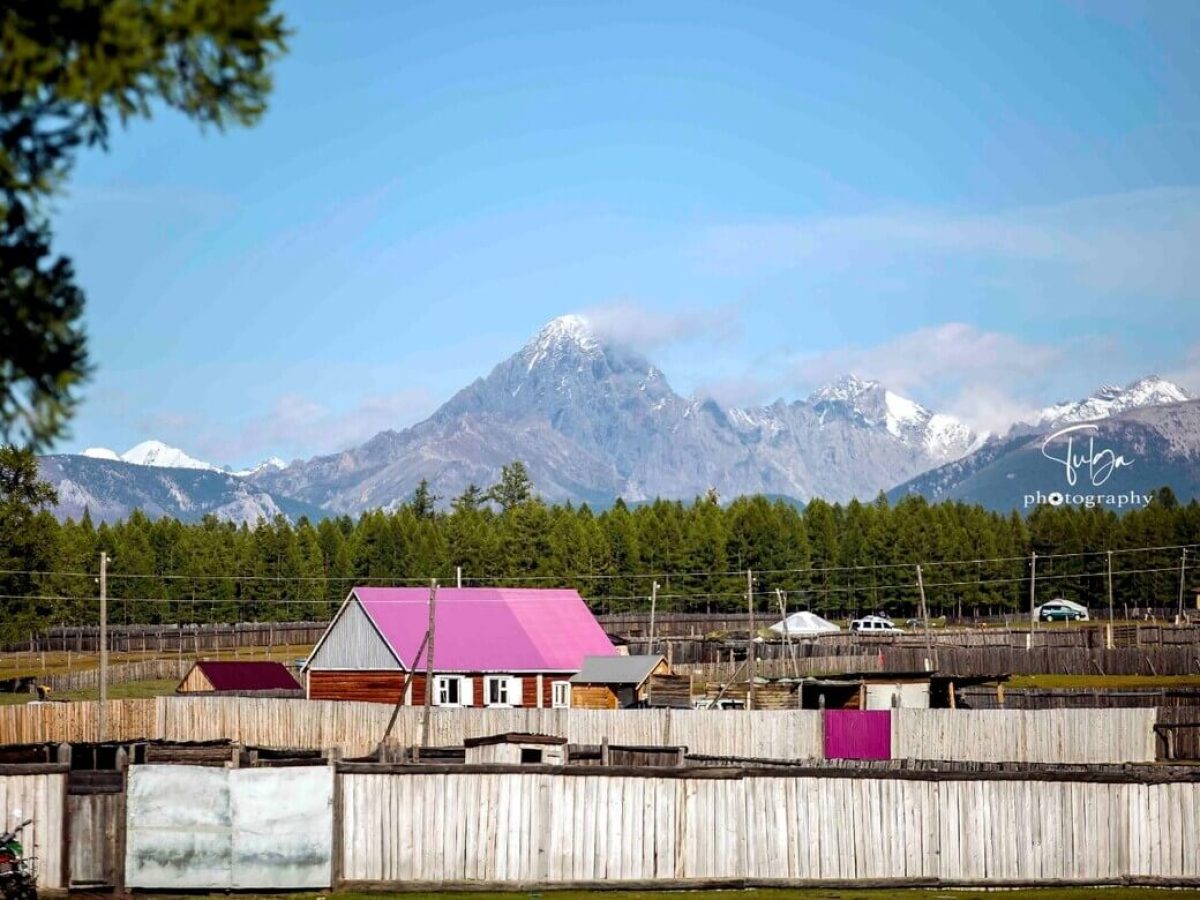
Ulaan Uul resembles a ghost town—there is a sense of activity, yet very few people can be seen in the streets or paths between residential areas. About six kilometers beyond the town, after crossing the river—often a rather impressive moment—you will reach Oyuna’s camp. Oyuna lives there not far from his children, at the end of a green valley sheltered from icy winter winds. Overnight in a traditional nomadic ger.
Day 4
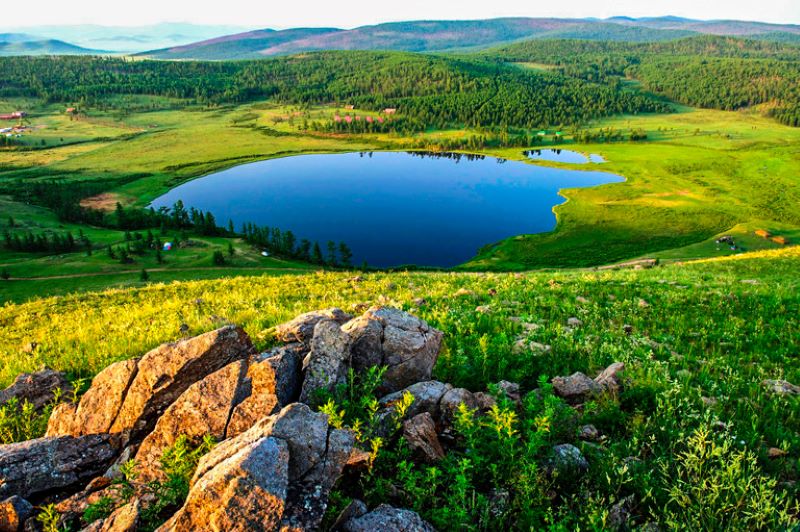
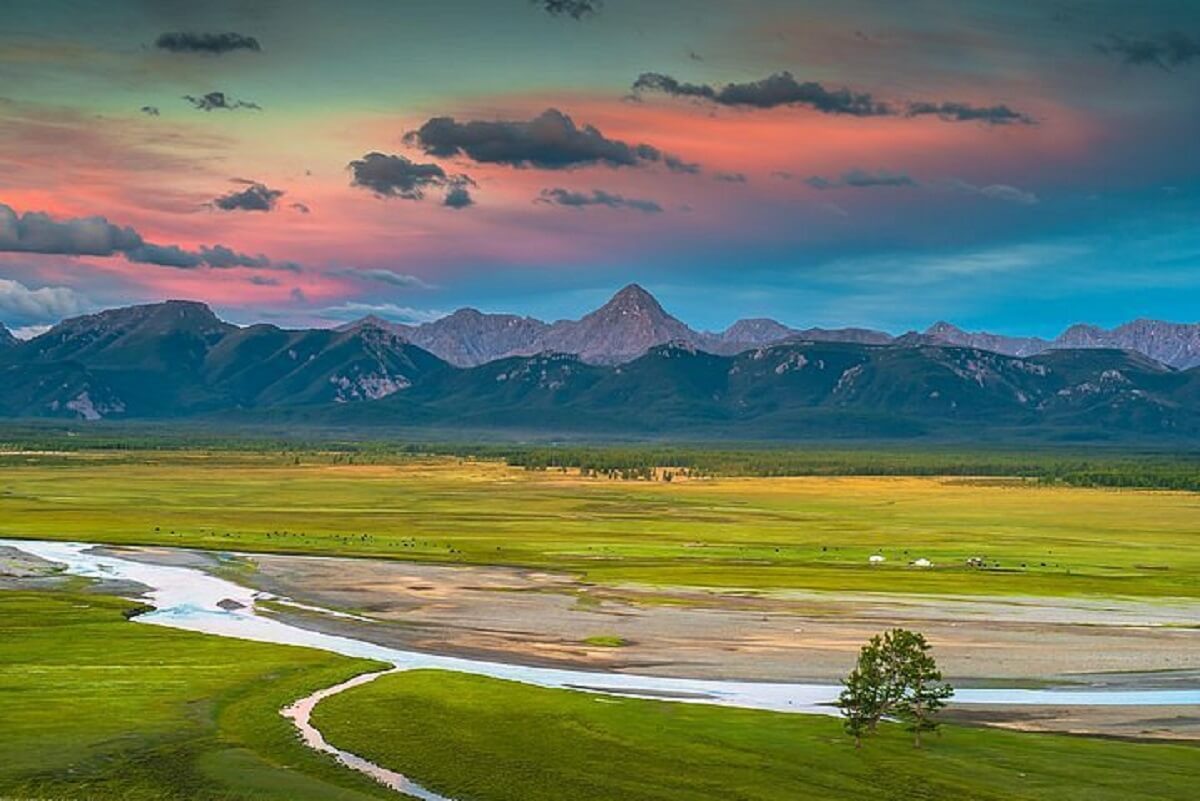
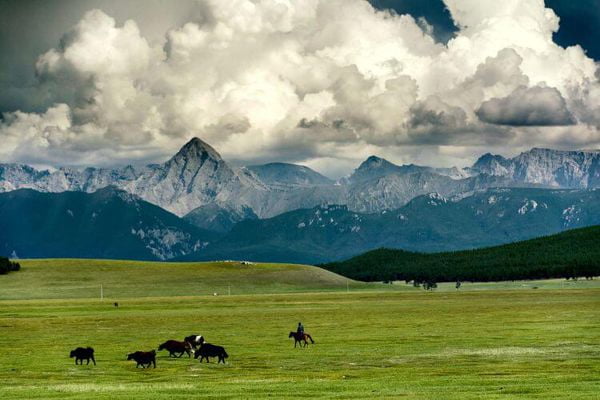
Transfer to Tsagaan Nuur. Ulaan Uul also marks the entrance to the Darkhad region. Darkhad is a true geographical and topographical depression, crossed by numerous small streams and rivers that flow deep into the steppe or merge to form small lakes and lagoons amid lush green landscapes.
Darkhad Depression White gers brighten this already dreamlike panorama. Overnight at Lagva’s guesthouse, offering an unobstructed view of Lake Tsagaan Nuur—the “White Lake”—where the surrounding mountain peaks are reflected. From here, a completely new world begins: the deepest hinterland of Mongolia.
Day 5
Horseback departure toward the “end of the world.” Let yourself be completely enchanted by the beauty of the landscape, moving at the rhythm of the horses. The first part of the ride leads through a wide valley, allowing you to gradually adapt to the trot of Mongolian horses.
At the end of the valley lies Ariin Ovor, literally meaning “narrow valley,” marking the end of this stretch. Upon arrival, you are already at the foot of the taiga. This area also serves as a winter camp for several Tsaatan families—some may still be present upon your arrival, though no one can ever predict exactly what the Tsaatans will be doing.
Overnight in tents.
Day 6
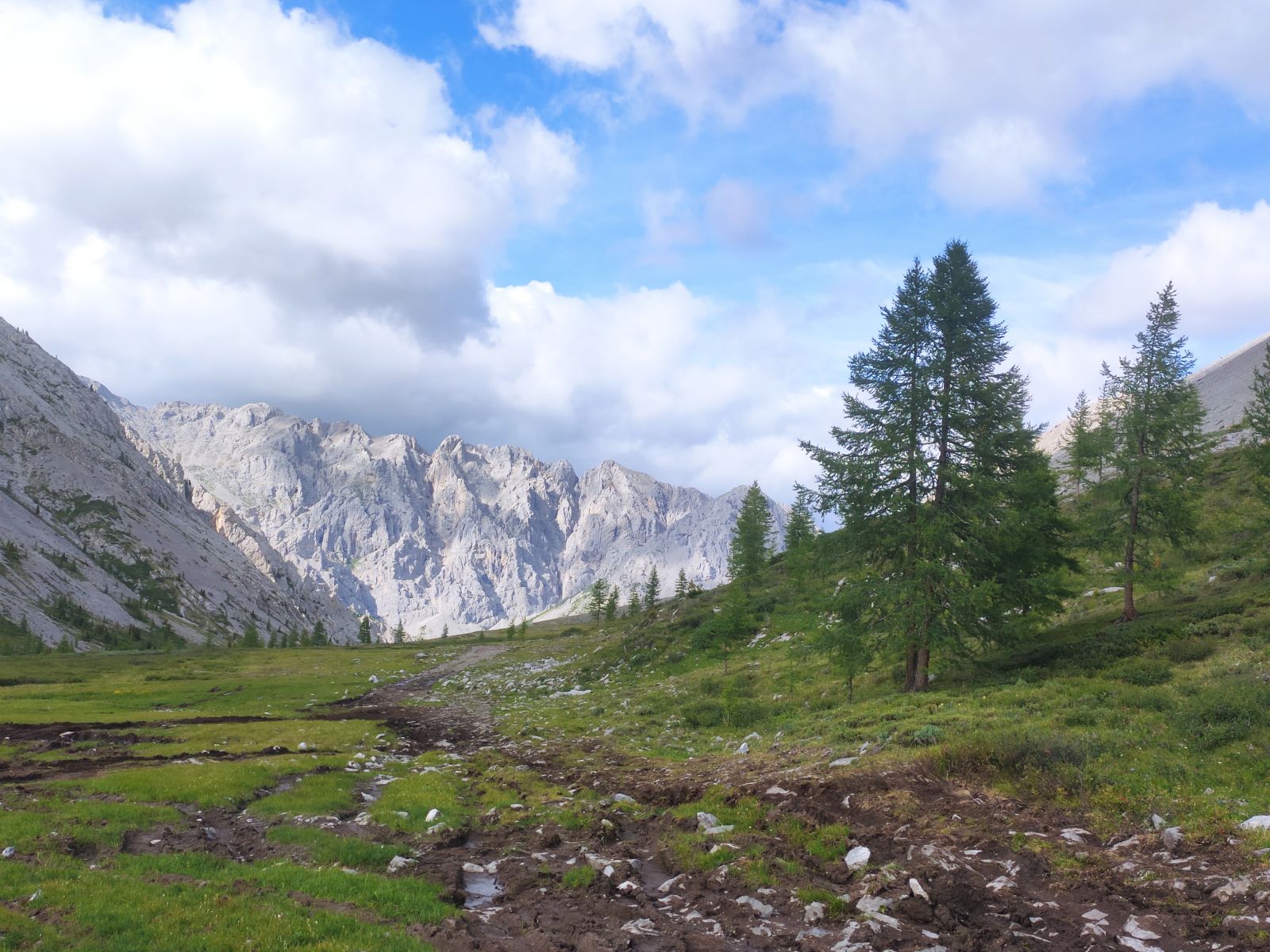
Horseback ride to Zorigo’s spring camp. The larch forest becomes increasingly dense, and the trail is heavily shaped and damaged by water channels. You will cross peat and swampy areas and undertake a long, steep ascent before finally reaching a small pass that opens onto a beautiful valley with a winding stream.
Nariin Ovurin Davaa Higher hills and rocky outcrops rise on both sides, and to your left you will spot several Tsaatan camps settled along the forest edge. Slightly further south lies the spring residence of Zorigo and his family, where they spend most of the season.
Overnight accommodation in tipis.
A traditional welcome by the Tsaatans in the family tipi, including customary gestures and ceremonies, during which you will be offered a cup of reindeer milk as a sign of hospitality. Evening devoted to discovering Tsaatan life.
Day 7
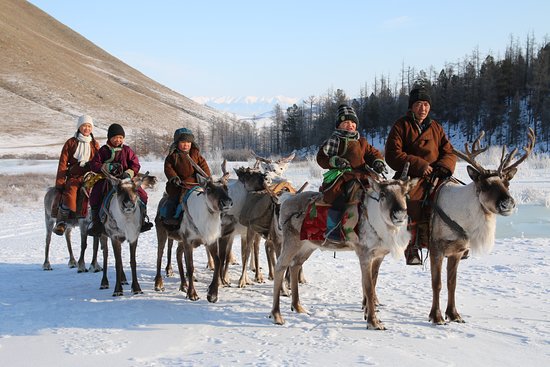
Morning at leisure and time to relax, allowing you to absorb the surrounding landscapes as well as the lifestyle and rhythm of the Tsaatans. Afterwards, enjoy a gentle ride on a reindeer—an adventure and a first unique experience.
Shavnagin Khundii The reindeer is an astonishing animal, resembling a large goat with quick and agile movements. In practice, however, riding a reindeer is much easier than one might imagine—except for the fact that you can more easily slip off to one side or the other. Reindeer have an incredibly sure-footed gait: whether on rocks, narrow stony paths, swampy terrain, or even when crossing streams and rivers, they move forward confidently and without hesitation.
This animal is perfectly adapted to its environment and ideally suited to life in the taiga.
A loop ride will take you to visit another family settled a little further away in the valley, followed by a return to Zorigo’s camp.
Day 8
Ride toward what the Tsaatans call the “Taiga from above.” On the back of a reindeer, you will cross the larch forest. The slope remains just as steep as during the first days and leads you up to a high plateau and into a unique rocky basin in the mountains. Here, a small group of three or four families lives with their herd of around one hundred reindeer.
Tserma is considered the “clan chief,” and you will therefore stay in his tipi, close to his family.
Day 9
A free day in the camp to discover—or at least gain an impression of—this very special way of life, which is almost entirely devoted to reindeer. Within the families, everyone has a role and specific habits, and everything is carried out calmly and peacefully.
The “tourist” must also find their place as a guest and visitor, and above all respect the somewhat wild and freedom-loving spirit of the Tsaatans—allowing oneself to be guided and inspired by it. It is important to truly appreciate these privileged moments.
Day 10
This day is dedicated to trekking. The valley continues westward toward a glacier nestled in a rocky cirque containing two beautiful bluish mountain lakes, in which the surrounding peaks are reflected. In the center of the lakes, the remaining ice crust from winter slowly continues to melt.
The stream feeding both lakes flows down from another rocky basin higher up, at the center of which lies yet another mountain lake, still completely frozen over from winter. Depending on timing, it may be possible to continue higher up to this upper rocky basin on horseback and then reach the overnight camp by returning over the mountain ridge.
Return to the camp in the late afternoon.
Evenings are particularly important in Tsaatan life: children gather the reindeer closer to the camp so they do not wander too far. It is also milking time—female reindeer return to their calves, both so the young can nurse and to protect them from the cold of the approaching night.
Day 11
Another day riding a reindeer, heading down toward Shamanagiin Khundii. This is where the spring camps of the other families, including Zorigo’s, are set up. Along the way, you will certainly visit several families living deep in the forest.
Visiting members of a group is an absolute must whenever passing near their camp. It is the simplest way to exchange or share information, organize transhumance, or simply enjoy a cup of tea with a friend.
Installation in “your” tipi.
Day 12
With great regret but enriched by unforgettable experiences and beautiful memories, you will leave this haven of peace—the unique world of the Tsaatans. This time, on horseback and accompanied by your guides, you will slowly ride back toward the lowlands, toward Nariin Ovuur.
If possible, Zorigo himself will not miss the opportunity to accompany you “down,” spending one last evening with you or perhaps making a short trip to Tsagaan Nuur for shopping.
Overnight in tents.
Day 13
Several more hours on horseback—hours that will seem far too short when you finally reach Tsagaan Nuur. A brief stop at Lagva’s guesthouse allows you to freshen up. Afterwards, transfer to Ulaan Uul and accommodation in Oyuna’s yurts or wooden cabins.
By now, you will certainly view this quiet and peaceful landscape with completely different eyes.
Day 14
A long day on rough tracks, but rewarded by exceptionally beautiful landscapes before reaching “civilization” once again. Murun, the capital of Khuvsgul Province, is a small town set in the middle of a wide valley surrounded by mountain ranges.
Overnight at a hotel—and surely the pleasure of a few long-awaited showers for everyone.
Day 15
Morning visit to the local market, where all kinds of goods can be found. In the afternoon, domestic flight from Murun to Ulaanbaatar and welcome at the airport by our team.
Overnight at the guesthouse. A relaxed evening with our team, including dinner and a concert.
Day 16
Early morning departure toward the airport – International departure terminal.
Rates and Services
Price per person: … € / person
Included in the price:
All transportation and transfers by vehicle (driver, fuel, and 4x4 vehicle)
Domestic round-trip flight: Ulaanbaatar / Murun / Ulaanbaatar
All accommodations: hotels, guesthouses, camps, and tipis
Camping and kitchen equipment
Meals and beverages: tea, coffee, and water
Activities: horseback or reindeer riding, trekking, and a professional Mongolian tour leader
A German-speaking interpreter for the entire duration of the trip
Border permit
Traditional Mongolian music and dance show
Not included in the price:
International flights
Mongolian visa (we can provide an invitation upon request)
Additional drinks or personal food requests
In general, anything not explicitly mentioned under “Included in the price”
Tours